You've been holding it together. Let's hold it together.
For military spouses managing bedtime alone on month eight, for teenagers who stopped talking after the third deployment, for partners who recognize the flinch before the firework lands — this is your place.










Free, No Strings
Start here. No email, no obligation — just something useful for today.
14 Prompts for Kids Processing Deployment
Age-appropriate conversation starters and drawing exercises that help children 5–16 name what they're feeling when a parent is away. No therapy required — just a quiet Tuesday night and some crayons.
"What does brave feel like in your body?"
"Draw what home sounds like when Mom/Dad is gone."
"If you could send one thing to the base, what would it be?"
PCS Season Survival Guide for Spouses
Written by a counselor who's moved seven times. Covers the 90-day emotional arc of a PCS move, how to find community fast in a new duty station, and what to do when your partner is already at the new post and you're still packing.
The grief no one names when you leave a duty station
Finding your people: 6 strategies that actually work
Talking to kids about the move at each age
The Community Gallery
Whatever you're carrying — someone here has carried it too, and wrote something down to help.
""I called Muster during month seven of a nine-month deployment. Three kids, a broken furnace, and I hadn't slept a full night in weeks. The counselor didn't try to fix me — she just helped me breathe again."
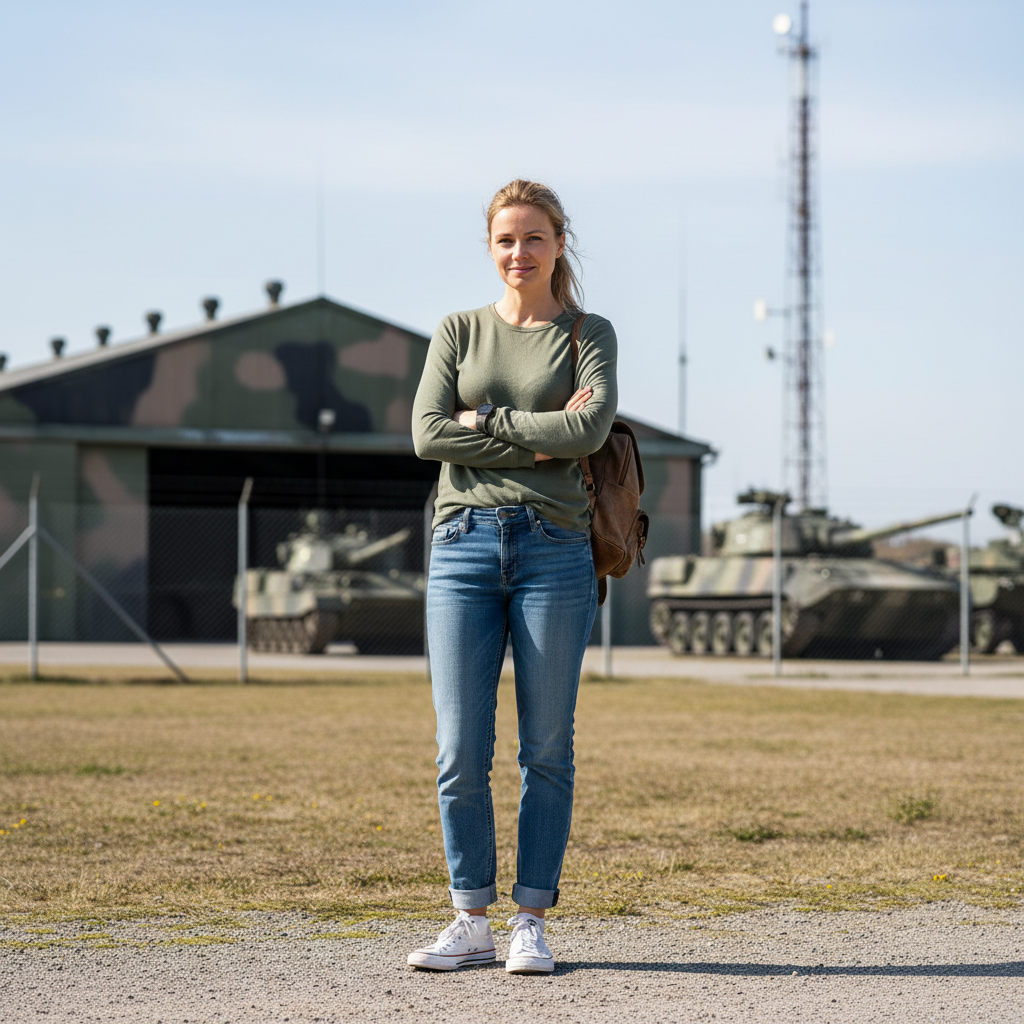
Danielle R.
Army Spouse, Fort Campbell
When They Come Home Different: A Guide for Partners
The homecoming photo is beautiful. The first week is hard. The first month is harder. This guide walks through what's normal, what's worth watching, and when to ask for help — written for the partner who's been holding everything together.
military spouses report clinically significant depression during deployment — most never seek help.
You're not alone. You're not weak. You're carrying something genuinely heavy.

Talking to Teenagers After Dad Comes Home
58-minute session with licensed therapist Dr. Keisha Morrison on rebuilding connection with teens who've emotionally checked out during a parent's deployment.
""My husband came back from his third tour and I didn't know how to reach him. I knew the flinch before the firework. Muster gave me language for what I was witnessing — and for the first time, we could actually talk about it."
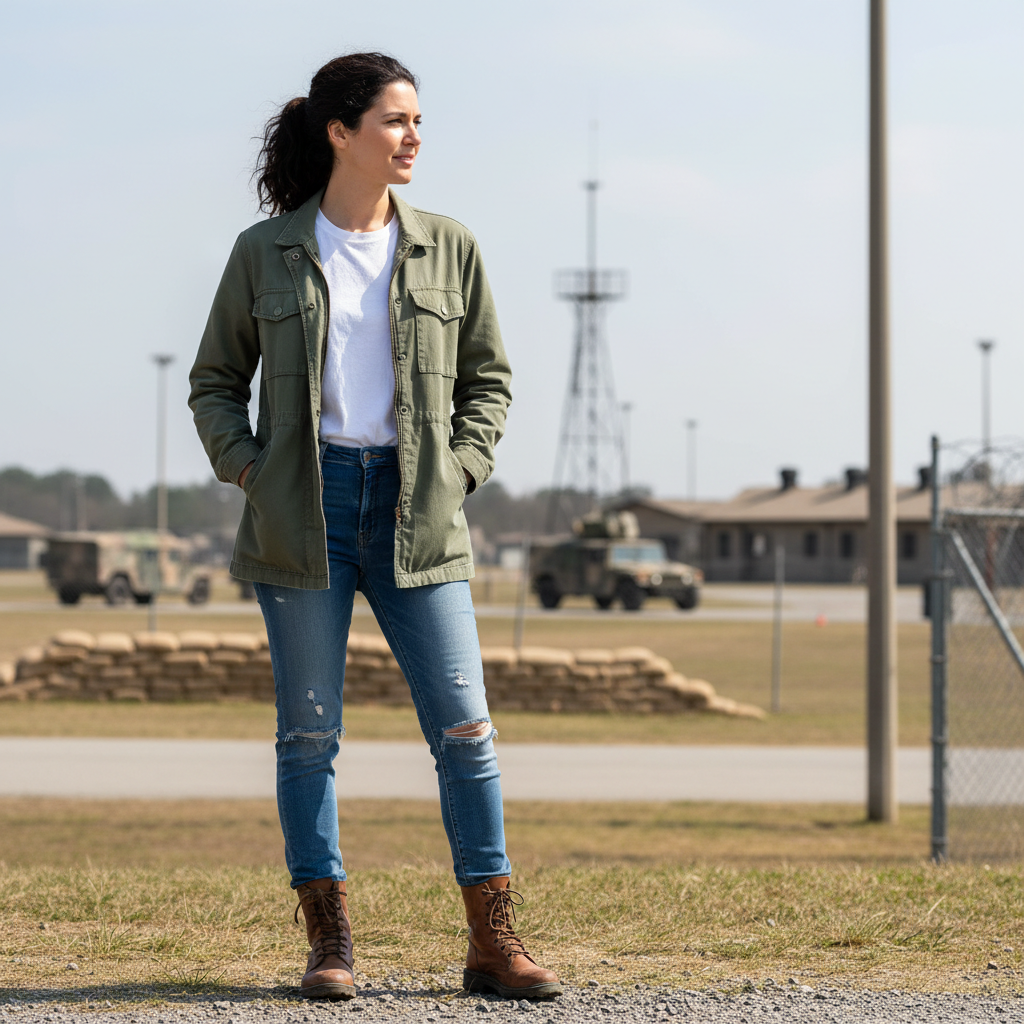
Carmen L.
Marine Spouse, Camp Pendleton
To the Kid Who Stopped Talking
A short, honest letter for teenagers who've gone quiet since a parent deployed or came home changed. No advice. No worksheets. Just someone saying: what you're feeling makes complete sense.
of Muster clients report feeling "genuinely understood" in their first session.
Because our counselors have lived this life too.
The Long Goodbye: Emotional Labor of Solo Parenting During Deployment
A 42-minute conversation with two military spouses about the invisible mental load — and how they learned to ask for help without feeling like they were failing.
""We were six months out from ETS and neither of us knew who we were without the Army. Muster helped us figure that out together, before it tore us apart."
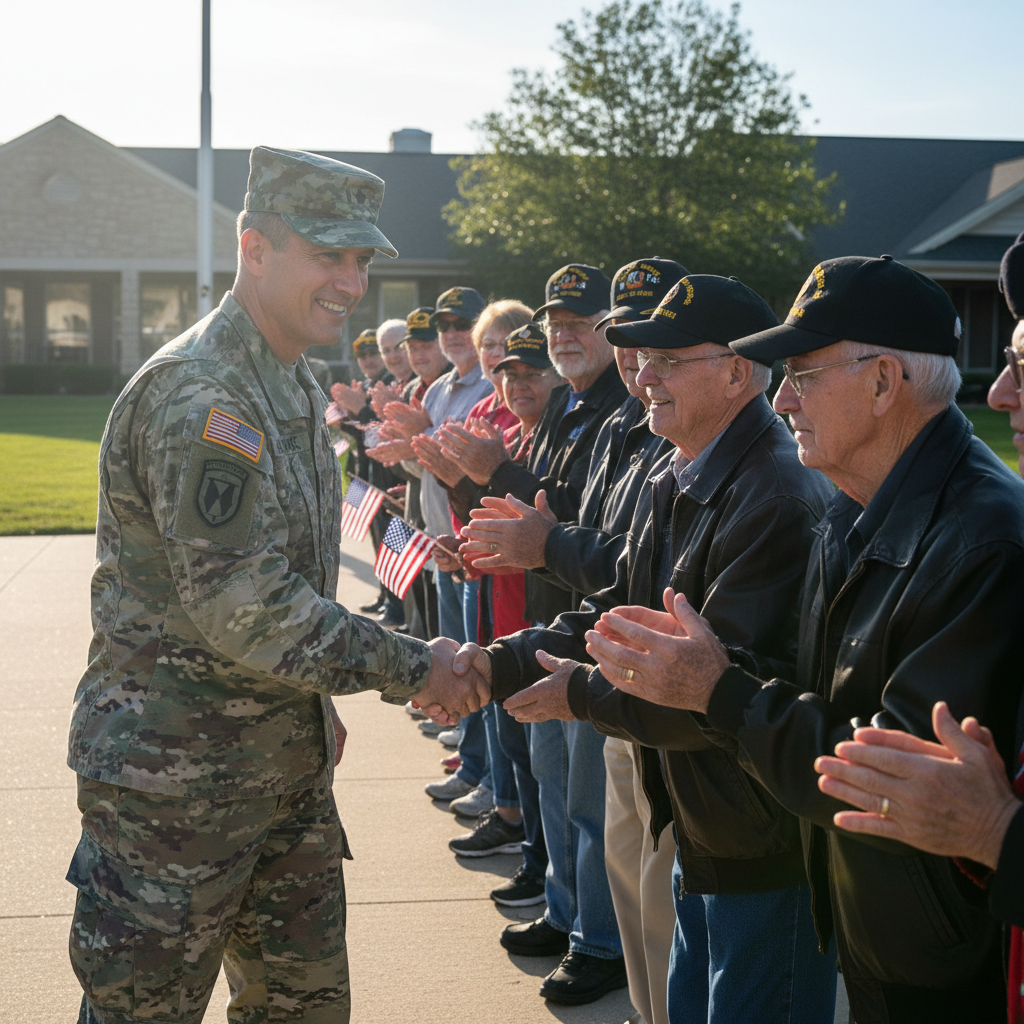
James & Priya T.
Post-Army, Austin TX
Grab Your Family's Toolkit
Tell us where you are right now. We'll send you the exact resources for your season — deployment guides, reintegration workbooks, transition checklists, and more.
Real Families. Real Outcomes.
The coffee's already on. Pull up a chair.
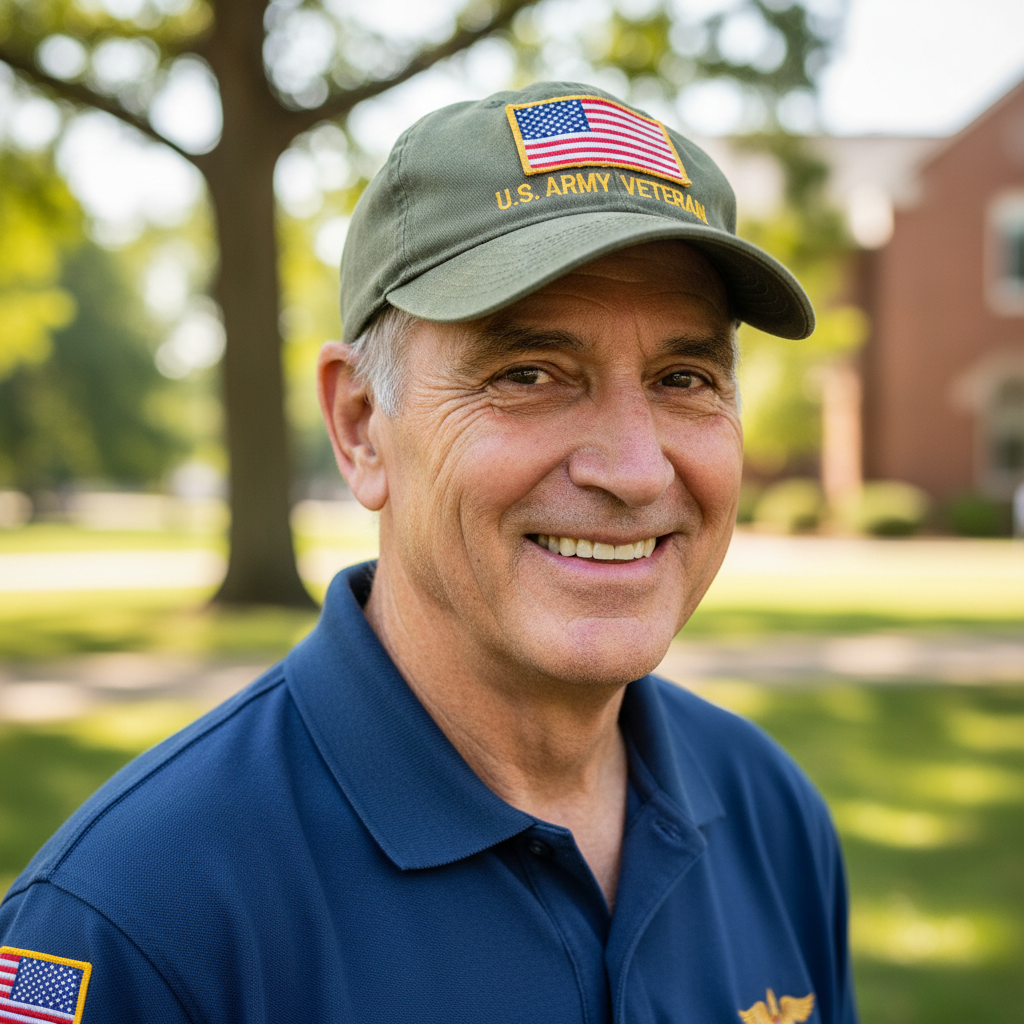
I spent two years thinking I just needed to be stronger. Muster helped me understand that asking for support isn't weakness — it's the most military thing I could do. My family needed me whole, not just present.
Marcus J.
Army Veteran, 3 Tours

My daughter stopped hugging me when I came home from my second deployment. Six months with Muster's family counselor and she runs to the door again. That's everything.
Sgt. First Class Renata D.
Active Duty, Fort Liberty

ETS date hit and I didn't know who I was without the uniform. My wife and I were speaking different languages. Muster gave us a translator — and a reason to stay in the same room.
Terrence & Aisha M.
Post-service, San Diego
Ready to talk to a real person?
A free 15-minute call. No intake forms, no insurance hoops. Just a counselor who gets it, listening.
Appointments available evenings and weekends. TRICARE-friendly.